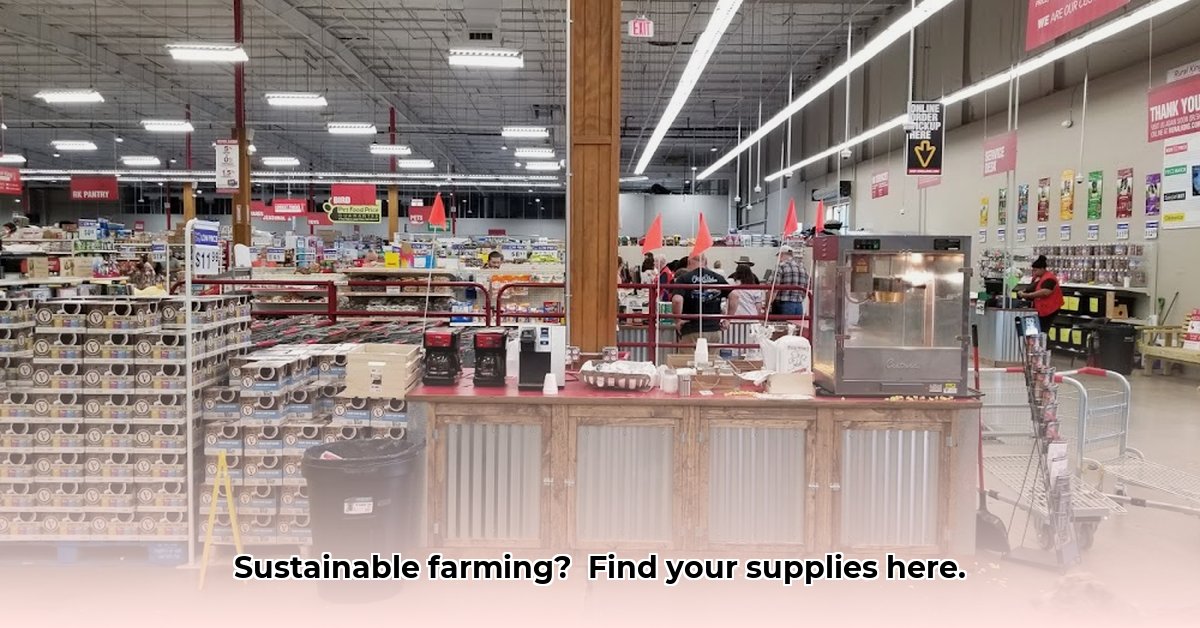
Tractor Supply Company (TSC) in Albertville, Alabama, plays a significant role in the local agricultural landscape, serving farmers of all scales, from hobbyists to large commercial operations. This article examines TSC's contribution to the community, focusing on its provision of essential resources and exploring opportunities to enhance its sustainability practices. We will analyze both the positive impact of TSC's presence and areas where improvement is needed to promote environmentally responsible farming in Albertville. For information on replacement parts, check out TSC's battery options.
Tractor Supply's Resource Provision in Albertville
TSC Albertville acts as a vital resource hub for local farmers. Its expansive inventory caters to diverse needs, stocking a wide range of products essential for successful agricultural practices. This includes seeds and starter plants, a comprehensive selection of tools (from hand trowels to powerful tillers), animal feed and supplies, and even some larger equipment for commercial farms. This readily available array of products directly supports the agricultural productivity and economic vitality of the Albertville community. But how sustainable are these practices overall?
The Sustainability Gap at Tractor Supply Albertville
While TSC Albertville provides crucial resources for farming, the lack of readily available information regarding the company's sustainability efforts presents a significant concern. Information on product sourcing, packaging, waste management practices, and overall environmental impact is insufficiently transparent. This lack of detailed information hinders a complete assessment of TSC's ecological footprint and limits consumers' ability to make informed, sustainable purchasing decisions. How can we bridge this knowledge gap and improve practices?
Opportunities for a More Sustainable Future in Albertville
A collaborative effort is needed to enhance sustainability in Albertville's agricultural sector. This requires active participation from TSC, local farmers, government agencies, and consumers. Here’s a roadmap for achieving a greener future:
Actionable Steps for Tractor Supply:
- Conduct a transparent sustainability audit: TSC should conduct a comprehensive audit of its entire operation, encompassing product sourcing, packaging, waste management, and energy consumption. The results of this audit should be made publicly accessible to foster transparency and accountability.
- Expand sustainable product offerings: Increasing the range of organic seeds, eco-friendly fertilizers and pesticides, and sustainably sourced tools will empower customers to make environmentally conscious choices.
- Invest in community-based education: Partnering with local agricultural extension offices and environmental organizations to offer workshops and educational initiatives on sustainable farming practices would significantly impact the community's knowledge.
- Implement clear and consistent product labeling: Providing detailed information on the sustainability credentials, origin, and environmental impact of products will enable consumers to make informed purchasing decisions.
Actionable Steps for Local Farmers and Gardeners:
- Implement water conservation methods: Utilizing efficient irrigation techniques, such as drip irrigation, and selecting drought-resistant plants is key to water resource management.
- Improve soil health: Employ best practices like cover cropping and no-till farming to enhance soil health, reduce erosion, and improve water retention.
- Adopt Integrated Pest Management (IPM): IPM prioritizes prevention and minimizes pesticide use, mitigating the negative effects of pest control.
- Optimize livestock management: Employing rotational grazing and responsible manure management techniques significantly reduces the environmental impact of livestock farming.
Actionable Steps for the Government and Community Organizations:
- Provide incentives for sustainable agriculture: Offering financial incentives, grants, or tax breaks to farmers adopting sustainable practices will drive the transition to environmentally responsible farming.
- Develop suitable infrastructure: Investing in improved water management systems, composting facilities, and other infrastructure tailored to support sustainable agricultural practices is essential.
- Foster collaboration and partnerships: Facilitating communication and collaboration between TSC, farmers, and relevant organizations will create synergistic efforts toward a shared goal.
Actionable Steps for Consumers:
- Make informed purchasing choices: Supporting businesses committed to sustainability and selecting products with eco-friendly certifications will increase the demand for such products.
- Advocate for increased transparency: Encourage TSC and other retailers to openly communicate their sustainability initiatives and commit to improving their environmental impact.
- Support local farmers markets: Choosing locally sourced produce strengthens the local agricultural economy and reduces the transportation-related environmental impact.
Conclusion: A Shared Vision for a Sustainable Future
The path to a sustainable agricultural future in Albertville demands collective responsibility. While Tractor Supply plays a critical role in providing resources, the broader community – farmers, government agencies, and consumers – must actively participate in creating a more environmentally responsible agricultural ecosystem. Open communication, transparency, and collaborative action are crucial to ensuring a thriving and sustainable agricultural landscape for current and future generations in Albertville.